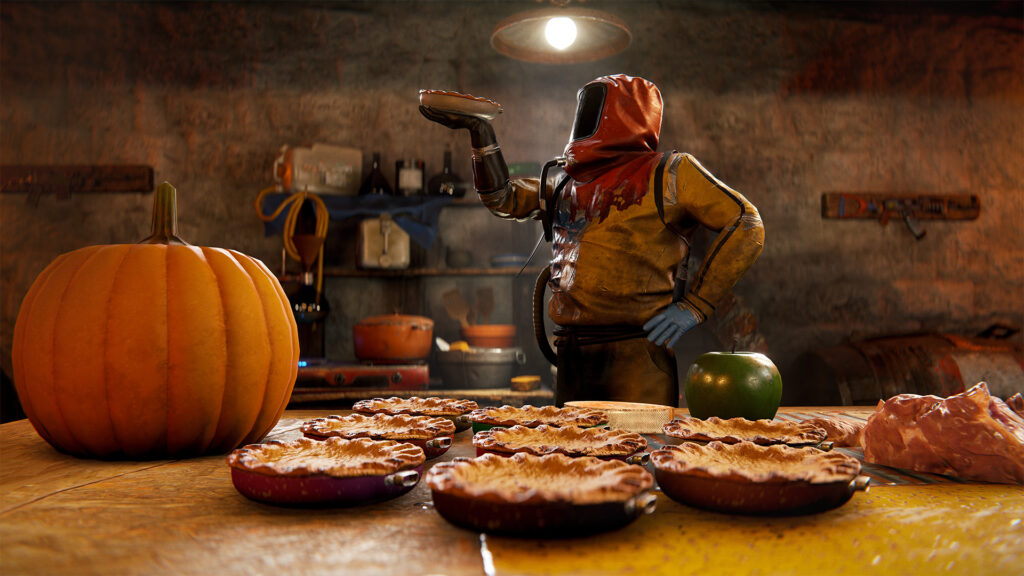
Cooking in Rust now involves more than roasting meat. The Cooking Workbench enables recipes that combine crops, animal products and other ingredients to provide food or temporary gameplay benefits. The October 2026 Livestock Update added new ingredients and recipes involving milk, cream and animal products. This guide introduces the cooking system and selected confirmed recipes; it does not invent ingredient quantities for newer entries that were not independently checked.
How to use the Cooking Workbench
The Cooking Workbench is a dedicated station for more advanced recipes, separate from a normal campfire or basic barbecue. The original guide cites 200 metal fragments, 200 stone and 100 wood with Workbench Level 2 as its crafting requirements, and lists an approximately 25-second crafting duration from RustHelp’s October 2026 data.
After placing the station inside a secure base, choose a recipe and gather its ingredients in the correct amounts. Food preparation or mixing follows the selected recipe’s interface; make sure the station is accessible and monitor stored food.
Bread Loaf

The original Facepunch recipe table lists five wheat items for one Bread Loaf, with a preparation time of about 20 seconds. The food restores nutrition and hydration and has additional game-specific effects in the applicable Rust version.
These values are drawn from documented recipe tables rather than a cooking experiment performed by Ponch Gaming. Always check the current game UI after updates.
Chicken Pie and plant genetics
Chicken Pie is listed with three wheat, three eggs, three corn and three cooked chicken in the original cooking guide. Its described effect relates to improving the chance of desirable plant genetics under the game’s food-buff rules.
For farming specialists, temporary food bonuses can be valuable when breeding plants, but exact durations and effects should be verified in the currently installed game version.
Apple Pie, Pumpkin Pie and Hunter’s Pie
Apple Pie is associated with wheat, apples and honey, with temporary vision-related benefits. Pumpkin Pie is connected with increased maximum health in the source guide, while Hunter’s Pie provides a bleeding-resistance benefit.
These recipes serve different objectives, so do not choose food solely by calorie value. Some ingredients or seasonal availability can change.
Fish Pie and other specialist food
The source article describes Fish Pie as using wheat, eggs, mushrooms, potatoes and cooked fish, with a temporary comfort-related effect. Different pies target farming, exploration or survival needs.
The recipe system rewards planning and preparation: collect crops and animal products ahead of time rather than searching for every ingredient during a dangerous encounter.
What changed in the Livestock Update?
Facepunch added livestock-related resources such as milk and cream and expanded the cooking and recipe ecosystem in October 2026. The original Ponch Gaming recipe interface recorded 79 recipes, including 31 additional entries associated with the update.
Those totals describe the site’s reviewed October 2026 dataset, not a promise that a future update will never add or remove recipes. The interactive recipe list should be checked for current ingredients.
How to prepare food efficiently
Secure a growing area, keep ingredients sorted by type and prepare commonly used food before leaving the base. Monitor food expiration and avoid carrying valuable ingredients into fights unnecessarily.
Use recipes that support your next activity: farming, exploring, surviving a raid or completing livestock tasks. A single meal is not automatically optimal for every play style.
Where to verify recipe numbers
The in-game workbench interface, the official Facepunch wiki and specifically cited third-party item pages are better sources for ingredient counts than a screenshot with no date. Ponch Gaming labels numbers drawn from external databases and does not present them as our own measurements.
Related Rust farming tool: Growing crops used in recipes? Our Rust Plant Genetics Calculator helps you plan plant crossbreeding separately from cooking; it does not calculate recipes or guarantee specific yields.
Plan your ingredients before turning them into food or fuel
| What you have | Potential use | Editorial recommendation |
|---|---|---|
| A small harvest of crops | Eating, cooking or reserving seeds and clones for farming | Keep your future supply secure before spending the entire harvest on one recipe |
| Ingredients from a growing livestock operation | New October recipes using animal products | Check the current recipe screen and do not rely on an old universal ingredient count |
| A large amount of raw or spoiled meat | Cooking where appropriate or converting suitable organic material into Low Grade Fuel | Compare the material’s value as food against its fuel potential; the conversion is ingredient-dependent |
| A rare ingredient you cannot easily replace | One expensive meal versus several simpler meals | Test one craft against the in-game benefits before dedicating your reserve to it |
This matrix is a planning aid prepared by Ponch Gaming, not a table of mathematically optimal values. Before choosing an input for fuel, see our Biofuel Generator guide. For a repeatable crop supply, the plant genetics guide explains cloning. The official Livestock Update establishes the newer food and processing systems; actual crafting costs and effects should be checked against the current recipe interface.
Frequently asked questions
Is the Cooking Workbench the same as a campfire?
No. The workbench supports advanced recipes with different requirements.
Do all pies give the same effect?
No. Their recipes and temporary buffs differ.
Were new milk recipes added in October 2026?
Yes, according to the Livestock Update coverage, but check exact recipes against the current interface.
Creator footage: a farm is more than a crafting recipe
For an original on-server example of managing the farm side of Rust, watch Zack Ponch’s “The Cursed Farm” Rust gameplay movie (October 8, 2026; Arabic commentary). It shows farm-based gameplay from our channel, not a controlled test of cooking ingredients or exact meal stats.
For real cooking decisions, prioritize repeatable ingredient production, verify the current recipe screen before using rare ingredients, and compare food value with the fuel generator’s opportunity cost. Our livestock genetics guide handles the breeding side separately. Published recipe values in this guide are sourced below rather than inferred from the film.
Sources
Independent game coverage. Numbers attributed to community databases are estimates, not tests performed by Ponch Gaming. Game content and screenshots remain the property of their original creators.